


Neurosurgery, awake craniotomy where suitable, and coordinated brain tumor care at Raj Hospital, Ranchi.
A brain tumor occurs when abnormal cells grow and multiply uncontrolled within the brain. At Raj Hospital, we offer the brain tumor treatment in Ranchi, leveraging modern neurosurgical techniques and multidisciplinary oncology strategies to treat both benign (non-cancerous) and malignant (cancerous) brain tumors.
Our department has imaging facilities and operating theatres equipped for neurosurgery, providing neurosurgery for brain tumors in Ranchi.
Symptoms vary drastically depending on the tumor's size, location, and rate of growth. Common signs include:
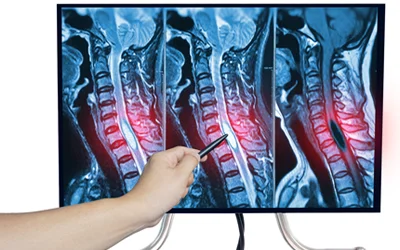
Accurate diagnosis is crucial. Diagnosis is based on detailed brain imaging and, when needed, a tissue biopsy.
High-resolution imaging to evaluate the exact size and location of the tumor.
A minimally invasive procedure to safely retrieve tissue samples for microscopic evaluation.
If the tumor is in an accessible location, our neurosurgeons aim to remove as much of it as can be done safely while trying to protect important neurological functions.
Used for selected tumors near speech or movement areas: the patient is awake for part of the operation so brain function can be checked, helping reduce the risk to speech and movement.
Targeted high-energy beams used post-surgery to destroy remaining tumor cells, facilitated by our coordinated oncology team.
Drugs to kill tumor cells tailored to the specific abnormalities or mutations of your tumor.
Connect with our brain tumor specialists.

Common questions about Brain Tumor treatments at Raj Hospital
Raj Hospital, Ranchi offers evaluation and neurosurgical treatment for brain tumors, with coordination of further oncology care where needed.
All brain surgery carries risks, which depend on the tumor's type, size and location and on the patient's overall health. Techniques such as image guidance and, in selected cases, awake craniotomy can help reduce risk to important brain areas. Your neurosurgeon will explain the specific risks and benefits before surgery.
Not necessarily. Treatment mapping depends strictly on the tumor's type, size, position, and growth rate. Some tumors may only need regular monitoring, whilst others might specifically be treated via targeted therapies or stereotactic procedures.
The survival and recovery rate depends significantly on whether the tumor is benign or malignant. Outcomes depend mainly on the tumor's type, grade and location and on how completely it can be removed. Many benign tumors have good long-term outcomes after treatment, while malignant tumors usually need further therapy; your treating team can explain what to expect in your case.
Most patients stay in the hospital for 3 to 7 days post-surgery. Full recovery can take a few weeks to a couple of months. Our rehabilitation team works with you to help regain strength and function after surgery.
Get in touch with our Brain Tumor specialists
 Cardiology
 Critical Care
 Emergency
 Gastroenterology
 Minimal Access Surgery
 Nephrology
 Neuro & Spine Surgery
 Neurology
 Oncology (Cancer Care)
 Orthopaedics & Joint Replacement
 Pulmonology
 Urology
 Aesthetic & Reconstructive Surgery
 Dental
 Dermatology
 ENT
 Eye Care
 Haematology
 Internal Medicine
 Nutrition & Dietetics
 Obstetrics & Gynaecology
 Pediatrics & Neonatology
 Physiotherapy & Rehabilitation
 Psychiatry & Mental Health
 Radiology
 FNAC, Biopsy, Blood & Laboratory Investigations