



 Cardiology
  Critical Care
  Emergency
  Gastroenterology
  Minimal Access Surgery
  Nephrology
  Neuro & Spine Surgery
  Neurology
  Oncology (Cancer Care)
  Orthopaedics & Joint Replacement
  Pulmonology
  Urology
  Aesthetic & Reconstructive Surgery
  Dental
  Dermatology
  ENT
ENT  Eye Care
  Haematology
  Internal Medicine
  Nutrition & Dietetics
  Obstetrics & Gynaecology
  Pediatrics & Neonatology
  Physiotherapy & Rehabilitation
  Psychiatry & Mental Health
  Radiology
  FNAC, Biopsy, Blood & Laboratory Investigations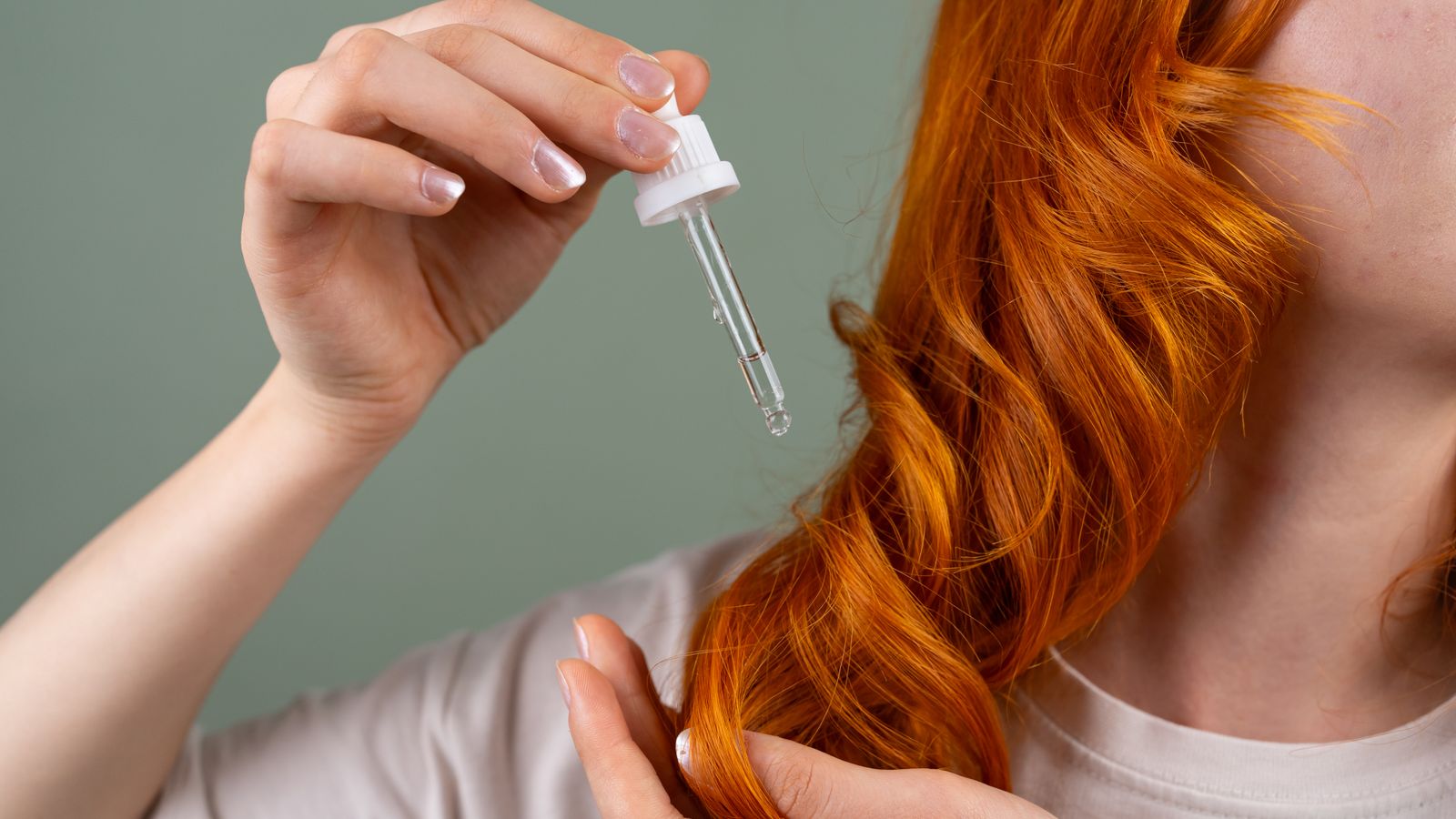
How to Stop Hair Fall Naturally: Effective Hair Care Tips and Medical Treatments
Hair fall is frustrating, and it is natural to want a gentle solution before turning to medicines. The good news is that many everyday changes, from what you eat to how you wash and style your hair, can make a real difference to how much hair you lose.
At the same time, it is important to be realistic. Natural methods are mainly helpful for hair fall caused by poor nutrition, stress, breakage, or scalp problems. If your hair fall is due to genetics or a medical condition, you may need medical treatment as well. This guide covers both: practical natural tips that actually help, and the medical options to consider when natural care is not enough.
First, Understand Why Your Hair Is Falling
Before trying any remedy, it helps to know what is behind your hair fall. The most common causes include:
- Nutritional deficiencies, especially iron, vitamin D, vitamin B12, and protein
- Stress, illness, or a recent fever (telogen effluvium)
- Hormonal changes such as thyroid problems, PCOS, or childbirth
- Genetic pattern hair loss
- Dandruff and scalp infections
- Breakage from heat styling, chemicals, and rough handling
If you are losing more than about 100 hairs a day for several weeks, or you notice thinning patches, a quick check-up and a few blood tests can save you months of trial and error.
Natural Ways to Stop Hair Fall
1. Eat a Hair-Friendly Diet

Hair is made mostly of a protein called keratin, so a diet low in protein quickly shows up as hair fall. Aim to include a source of protein in every meal, such as dal, rajma, chana, paneer, curd, eggs, fish, chicken, tofu, or sprouts.
Other nutrients that support healthy hair include:
- Iron: spinach and other leafy greens, legumes, garden cress seeds (halim), dates, and lean meat. Pair them with vitamin C foods such as amla, lemon, or oranges for better absorption.
- Zinc: pumpkin seeds, nuts, whole grains, and chickpeas
- Omega-3 fats: flaxseeds, walnuts, chia seeds, and fatty fish
- Vitamin D: safe sunlight exposure, eggs, and fortified foods
- Biotin and B vitamins: eggs, nuts, seeds, and whole grains. Biotin deficiency is rare, so biotin supplements seldom help on their own.
Avoid crash diets. Losing weight too fast is one of the most common triggers of sudden hair fall.
2. Massage Your Scalp Regularly
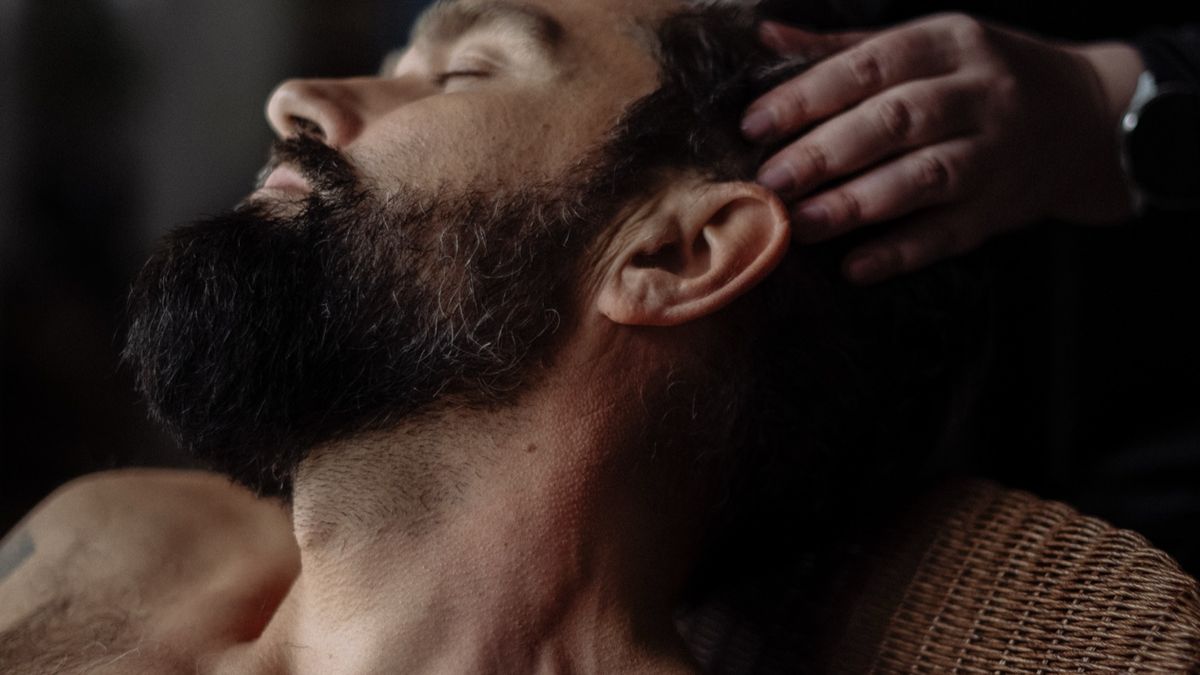
A scalp massage is relaxing and may also support hair growth. In a small study, men who massaged their scalps for four minutes a day for 24 weeks had thicker hair by the end of the study. Use your fingertips, not your nails, and massage in gentle circular motions for a few minutes every day.
3. Use the Right Oils, the Right Way
Oiling is a traditional practice in many Indian homes, and when done correctly it can help. Coconut oil has been shown to reduce protein loss from hair, which helps prevent breakage. Applying it 30 to 60 minutes before washing works well for most people.
Rosemary oil is another popular option. A small clinical study found that rosemary oil produced a similar increase in hair count to minoxidil after six months in people with pattern hair loss. Always dilute rosemary oil in a carrier oil such as coconut or almond oil, and do a patch test first.
Avoid leaving heavy oil on your scalp overnight if you have dandruff, as it can feed the yeast that causes it.
4. Choose Gentle Hair Care Habits
How you handle your hair every day matters as much as what you apply to it:
- Wash with a mild, sulphate-free shampoo two to three times a week, or more often if your scalp gets oily
- Always use a conditioner on the lengths of your hair
- Detangle with a wide-toothed comb, starting from the ends and working upwards
- Pat your hair dry with a soft cotton T-shirt or microfibre towel instead of rubbing it
- Avoid combing or tying your hair while it is wet, when it is most fragile
- Sleep on a silk or satin pillowcase to reduce friction
5. Cut Down on Heat and Chemicals
Straighteners, curling irons, and blow dryers on high heat weaken the hair shaft. Chemical treatments such as rebonding, smoothening, perming, and bleaching cause even more damage. If you must use heat, apply a heat protectant and keep the temperature low. Give your hair long breaks between chemical treatments.
6. Wear Looser Hairstyles
Tight ponytails, braids, buns, and extensions pull on the roots and can cause traction hair loss, especially along the hairline. Switch between loose styles and use soft scrunchies instead of rubber bands.
7. Keep Your Scalp Healthy
A clean, healthy scalp is the foundation of healthy hair. Wash your hair after heavy sweating, for example after a workout. If you have dandruff, an anti-dandruff shampoo containing ketoconazole or zinc pyrithione can help. Aloe vera gel can soothe an itchy, irritated scalp.
8. Manage Stress and Sleep Well
Chronic stress and poor sleep disrupt the hair growth cycle. Regular exercise, yoga, pranayama, meditation, and a fixed sleep routine of seven to eight hours can lower stress levels and reduce stress-related hair fall over time.
9. Quit Smoking and Limit Alcohol
Smoking reduces blood flow to the scalp and has been linked to earlier and more severe hair loss. Excess alcohol affects how well your body absorbs nutrients. Cutting back on both benefits your hair and your overall health.
10. Consider Your Water
If you live in an area with hard water, mineral build-up can leave hair dry, rough, and more prone to breakage. A shower filter or an occasional clarifying wash may help. Hard water is not proven to cause hair loss on its own, but it can make existing hair fall look worse.
What Natural Remedies Cannot Do
Natural care can reduce breakage, improve scalp health, and support regrowth after temporary hair fall. However, it cannot reverse genetic pattern hair loss, correct a thyroid disorder, or treat alopecia areata. If you have followed a good routine for three months and your hair fall has not improved, it is time to see a specialist.
Medical Treatments for Hair Fall
When natural methods are not enough, these evidence-based treatments can help:
Correcting deficiencies. Iron, vitamin D, vitamin B12, or zinc supplements, taken only when blood tests confirm a deficiency, can quickly reduce hair fall.
Topical minoxidil. Approved for both men and women, minoxidil prolongs the growth phase and helps thinning hair grow thicker. Results usually show in three to six months.
Finasteride. For men with pattern hair loss, this prescription medicine reduces DHT, the hormone responsible for shrinking hair follicles.
Medicated shampoos. Ketoconazole and other antifungal shampoos treat dandruff and scalp infections that contribute to hair fall.
PRP and GFC therapy. These in-clinic treatments use growth factors from your own blood to strengthen weak follicles and improve hair density.
Low-level laser therapy. Laser devices can stimulate follicles and are used as an add-on treatment for pattern hair loss.
Restoring permanently thinned areas. If hair fall has already left permanent bald areas at the hairline or crown, natural remedies and medicines can only protect the hair that remains. A hair transplant moves healthy follicles from the back of the scalp to the thinning areas, giving natural-looking, permanent results. It should be considered only after a specialist has assessed your hair loss pattern and donor area.
A Simple Weekly Routine to Reduce Hair Fall
- Eat protein at every meal and include fruits, vegetables, nuts, and seeds daily
- Massage your scalp with your fingertips for four to five minutes every day
- Oil your hair 30 to 60 minutes before washing, once or twice a week
- Wash with a mild shampoo and follow with a conditioner two to three times a week
- Detangle gently with a wide-toothed comb and avoid tight hairstyles
- Limit heat styling to special occasions
- Sleep seven to eight hours a night and make time for exercise
- Track your hair fall and see a specialist if it does not improve within three months
When to See a Doctor
Seek medical advice if you notice sudden or heavy hair fall, bald patches, a receding hairline, scalp pain or redness, or hair fall along with symptoms such as fatigue, weight changes, or irregular periods. A dermatologist can identify the exact cause and recommend the right combination of natural care and medical treatment.
Final Thoughts
Stopping hair fall naturally is possible in many cases, especially when it is caused by nutrition, stress, breakage, or scalp problems. A balanced diet, gentle hair care, regular scalp massage, and a healthy lifestyle lay the foundation for strong hair. When hair fall is driven by genetics or a medical condition, combining these habits with proven medical treatments gives better results. Be patient: hair grows slowly, and most changes take three to six months to show.
Worried about hair fall or thinning? Get it checked early.
The dermatology team at Raj Hospitals, Ranchi can examine your scalp, order the right blood tests and plan treatment that matches the cause of your hair loss.
Frequently Asked Questions
Can hair fall be stopped naturally?
Hair fall caused by poor diet, stress, breakage, or scalp problems can often be reduced with natural care. Genetic hair loss and medical conditions usually need medical treatment as well.
Which oil helps with hair fall?
Coconut oil helps reduce breakage by limiting protein loss, and diluted rosemary oil has shown promising results in small studies. No oil can reverse genetic baldness, so choose one that suits your scalp and use it consistently.
Does onion juice stop hair fall?
Evidence for onion juice is very limited and comes mostly from small studies. It can irritate sensitive skin, so do a patch test and do not rely on it as your only treatment.
How long does it take to reduce hair fall naturally?
Most people notice less hair fall within six to twelve weeks of consistent changes. Visible new growth usually takes three to six months, because hair grows only about one centimetre a month.
Can drinking more water reduce hair fall?
Staying hydrated supports overall health, but there is no strong evidence that drinking extra water reduces hair fall on its own. Focus on a balanced diet, enough protein, and treating the underlying cause.
When should I consider a hair transplant?
Consider a hair transplant when you have permanent thinning or bald areas, usually from pattern hair loss, that do not respond to medicines. A specialist will assess whether your hair loss is stable and whether your donor area is strong enough.
Related Hair and Skin Health Guides
- Why Is My Hair Thinning at a Young Age? Causes and Treatment Options
- Why Am I Experiencing Excessive Hair Fall? Common Causes and Treatments
- Can Stress Cause Hair Loss? Symptoms, Causes, and Treatment Options
- What Causes a Receding Hairline in Young Men? Early Signs and Treatment
- Low vitamin D symptoms in women
- PCOS symptoms and treatment in Ranchi
- Dermatology at Raj Hospitals Ranchi — skin, hair and scalp care
- Dr. Shagun Raj — Consultant Dermatologist, Raj Hospitals Ranchi
Medical disclaimer: This article is general health education and cannot diagnose the cause of your hair loss. Do not start, stop or change any medicine or supplement based on this page; consult a qualified dermatologist for advice specific to you.