


 Cardiology
  Critical Care
  Emergency
  Gastroenterology
  Minimal Access Surgery
  Nephrology
  Neuro & Spine Surgery
  Neurology
  Oncology (Cancer Care)
  Orthopaedics & Joint Replacement
  Pulmonology
  Urology
  Aesthetic & Reconstructive Surgery
  Dental
  Dermatology
  ENT
ENT  Eye Care
  Haematology
  Internal Medicine
  Nutrition & Dietetics
  Obstetrics & Gynaecology
  Pediatrics & Neonatology
  Physiotherapy & Rehabilitation
  Psychiatry & Mental Health
  Radiology
  FNAC, Biopsy, Blood & Laboratory Investigations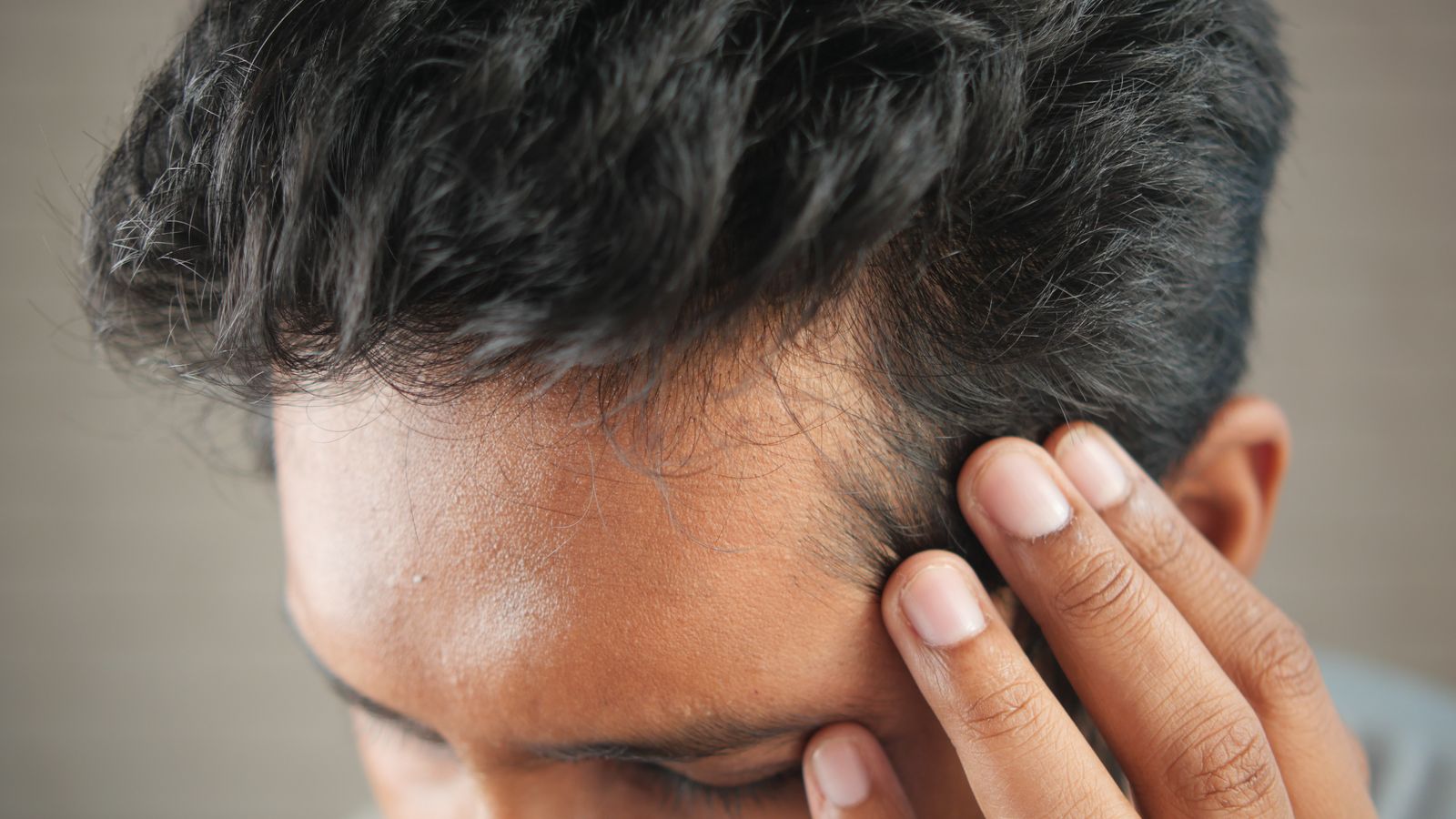
What Causes a Receding Hairline in Young Men? Early Signs and Treatment
For many men, the first sign of hair loss is not a bald spot but a hairline that seems to be creeping backwards. You might notice it in a photo, under bathroom lights, or when you push your hair back after a shower. For young men in their late teens and twenties, this can be a real blow to confidence.
A receding hairline is very common, and it does not always mean you are headed for baldness. Some changes are simply part of growing up. Others are early signs of male pattern baldness that respond better to treatment when caught early. This guide explains what causes a receding hairline in young men, the warning signs to look for, and the treatment options available today.
What Is a Receding Hairline?
A receding hairline is when the hair along the front of the scalp gradually moves backwards. In men it usually starts at the temples, creating an M-shaped or V-shaped hairline, while the middle section may hold its position for longer. Over time, the recession can join up with thinning at the crown.
Mature Hairline vs Receding Hairline
Not every change at the front means hair loss. Most men develop a mature hairline between their late teens and late twenties. The juvenile hairline, which sits low and straight on the forehead, shifts slightly upward and becomes more defined at the temples.
| Feature | Mature hairline | Receding hairline |
|---|---|---|
| How far it moves | About 1 to 1.5 cm above the original line, then stops | Keeps moving back over months and years |
| Shape | Even, with gentle corners at the temples | Deep, uneven recession at the temples (M or V shape) |
| Hair quality | Hair at the front stays thick | Hair at the front becomes fine and wispy |
| Other signs | No thinning elsewhere | Often comes with crown thinning or more shedding |
If you are unsure, compare photos from a few years ago and watch for continued changes over six months. A specialist can confirm the difference with a scalp examination.
What Causes a Receding Hairline in Young Men?
1. Male Pattern Baldness
The most common cause is androgenetic alopecia, also known as male pattern baldness. It affects up to half of all men by the age of 50, and it can start as early as the late teens.
In men with a genetic tendency, hair follicles at the front and top of the scalp are sensitive to dihydrotestosterone (DHT), a hormone produced from testosterone. DHT gradually shrinks these follicles, making each new hair thinner and shorter until the follicles stop producing visible hair. The hair at the back and sides of the head is resistant to DHT, which is why it usually stays even in men with advanced baldness.
2. Family History
Genes from both your mother's and your father's side influence your risk. A father, grandfather, uncle, or brother with early hair loss increases the chance that you will experience it too. The popular belief that baldness comes only from your mother's side is a myth.
3. Anabolic Steroids and Testosterone Boosters
Young men who use anabolic steroids, testosterone injections, or some bodybuilding supplements to build muscle can raise their DHT levels. In men who are genetically prone, this can speed up a receding hairline significantly.
4. Lifestyle Factors
Smoking, chronic stress, poor sleep, and a diet low in protein and essential nutrients do not cause male pattern baldness on their own. However, they can make hair loss progress faster and make it harder for treatment to work.
5. Traction and Hair Care Habits
Repeatedly pulling hair back tightly, wearing tight man buns, using harsh chemical straighteners, or styling daily with heavy products and heat can weaken the hair along the hairline. Over time, this can cause traction alopecia, which mimics a receding hairline.
6. Medical Conditions
Less commonly, thyroid disorders, nutritional deficiencies, scalp infections, and some autoimmune conditions can cause hair loss at the front of the scalp. These need a proper diagnosis, because their treatment is different.
Early Signs of a Receding Hairline
Catching hair loss early gives you the most treatment options. Watch for these signs:
- Your temples look deeper or more uneven than before
- Your forehead appears larger in photos
- Hair at the front feels finer, softer, or more see-through
- Your hair no longer covers the corners of your forehead when styled forward
- You notice more hair in the shower, on your pillow, or on your comb
- The crown starts to look thin under bright light
- Your usual hairstyle is harder to set than it used to be
Understanding the Norwood Scale
Doctors often use the Norwood scale to describe the stage of male pattern baldness:
- Stage 1: No significant recession; the juvenile hairline
- Stage 2: Slight recession at the temples, often a mature hairline
- Stage 3: Clear, deep recession at the temples; the earliest stage considered baldness
- Stage 4: Further recession with noticeable thinning at the crown
- Stage 5: The bald areas at the front and crown grow larger, separated by a thin band of hair
- Stage 6: The band between the front and crown disappears
- Stage 7: Only a horseshoe-shaped band of hair remains at the back and sides
The earlier your stage when you start treatment, the more hair you can save.
Can a Receding Hairline Grow Back?
It depends on how long the follicles have been inactive. In the early stages, when hairs at the front are thin but still present, treatment can thicken them and stop further recession. Once an area has been completely bald for years, medicines are unlikely to bring it back. This is why timing matters so much for young men.
Treatment Options for a Receding Hairline
Finasteride. Finasteride is a prescription tablet that lowers DHT levels. It is one of the most effective medical treatments for stopping male pattern baldness from progressing, and some men also see regrowth. A small percentage of men experience side effects such as reduced libido, so it should only be started after consulting a doctor.
Minoxidil. Minoxidil, applied as a solution or foam, improves blood flow to the follicles and extends the growth phase. It needs to be used daily and consistently to work. In some cases, a doctor may prescribe low-dose oral minoxidil instead.
Combination therapy. Using finasteride and minoxidil together often gives better results than either one alone, because they work in different ways.
Microneedling. Microneedling with a derma roller or derma pen, done correctly and combined with minoxidil, may improve results for some men. It should be done under guidance to avoid scalp injury or infection.
PRP and GFC therapy. These treatments use growth factors from your own blood to strengthen weak follicles. They are commonly used alongside medicines to improve density.
Ketoconazole shampoo. Used two to three times a week, it controls dandruff and may offer a small added benefit for pattern hair loss.
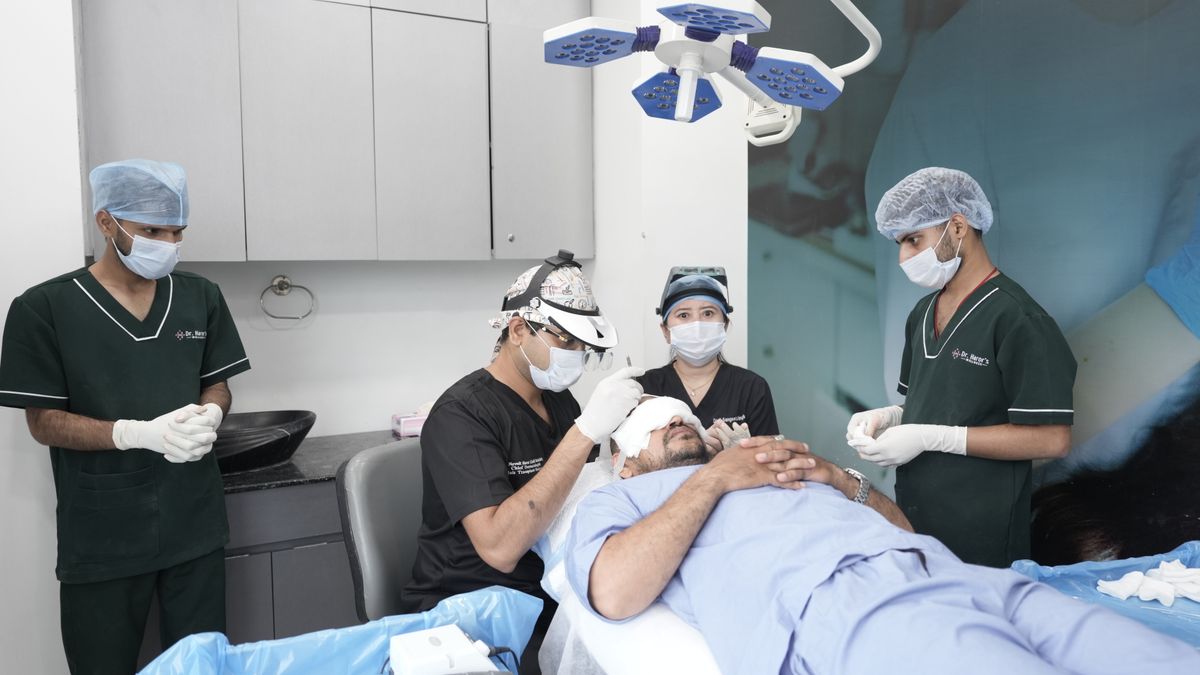
Surgical hairline restoration. For men whose hairline has receded beyond what medicines can restore, a hair transplant is the most reliable way to rebuild it. In this procedure, DHT-resistant follicles are taken from the back of the scalp using techniques such as FUE and implanted along the hairline. Because these follicles keep their resistance to DHT, the results are permanent. For young men, a good surgeon will usually recommend stabilising hair loss with medication first, use the donor area carefully, and design a mature, age-appropriate hairline rather than a low juvenile one.
Hairstyles That Help While You Treat It
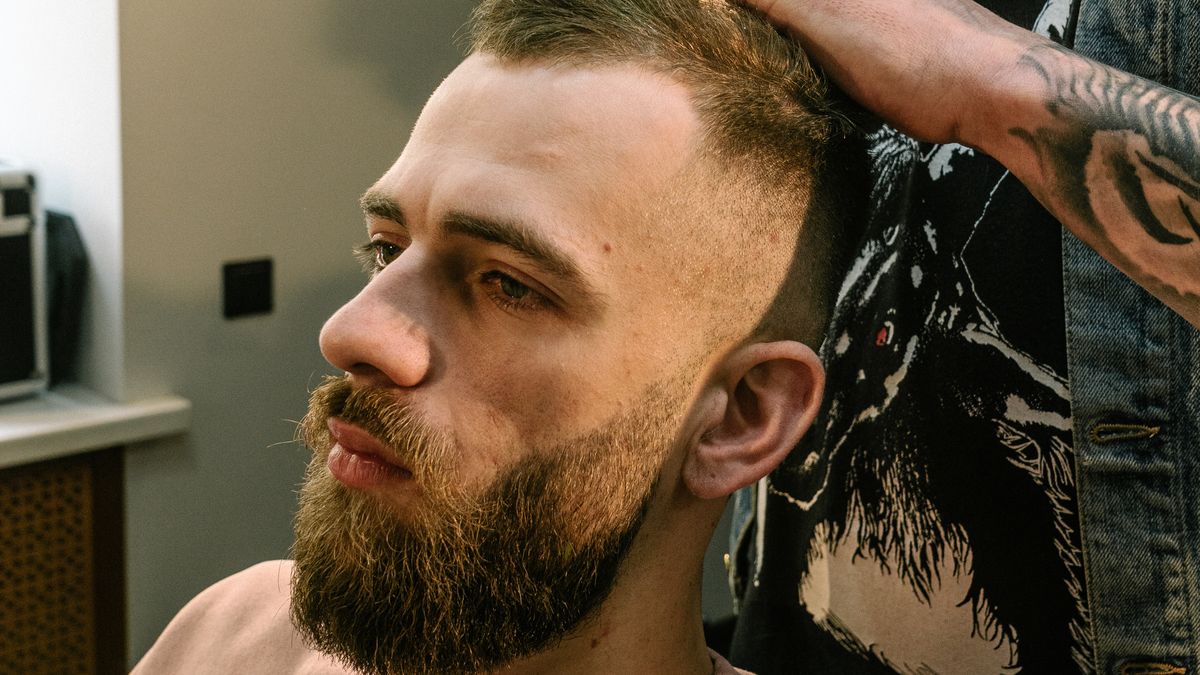
While treatment takes effect, a shorter haircut such as a crew cut, textured crop, or buzz cut can make a receding hairline far less noticeable. Avoid slicking your hair straight back or growing it long at the front to cover the temples, as this often draws more attention to the area.
Common Myths About Receding Hairlines
- Wearing a helmet or cap causes baldness. It does not. A clean, well-fitting helmet or cap will not cause a receding hairline.
- Frequent shampooing causes hair loss. Washing only removes hairs that were already shed.
- Hair oils can regrow a receding hairline. Oils can improve hair texture, but they cannot reverse DHT-related hair loss.
- Only older men go bald. Male pattern baldness can begin in the late teens.
When to See a Hair Specialist
Book a consultation if your hairline has visibly changed over the past year, you have a strong family history of baldness, or you notice thinning at the crown as well. A specialist can confirm whether you have a mature hairline or early balding, check for other causes, and create a treatment plan suited to your age and stage.
Final Thoughts
A receding hairline in young men is usually caused by male pattern baldness, driven by genetics and DHT. It cannot always be prevented, but it can be slowed, stopped, and in many cases partly reversed if treatment starts early. Combining medical treatment with healthy habits gives you a better chance of keeping your hair. For hairlines that have already receded significantly, modern surgical techniques can restore a natural look.
Worried about hair fall or thinning? Get it checked early.
The dermatology team at Raj Hospitals, Ranchi can examine your scalp, order the right blood tests and plan treatment that matches the cause of your hair loss.
Frequently Asked Questions
At what age does a receding hairline start?
A receding hairline can start any time after puberty. Many men notice it in their late teens or twenties, while others do not see changes until their thirties or later.
How do I know if my hairline is maturing or receding?
A mature hairline moves back slightly and evenly, then stops, and the hair stays thick. A receding hairline keeps moving back, especially at the temples, and the hair at the front becomes thinner.
Can a receding hairline be stopped naturally?
Healthy habits such as a good diet, enough sleep, and not smoking support overall hair health, but they cannot block the effect of DHT. Medical treatment is usually needed to stop genetic hair loss.
Does finasteride work on the hairline?
Finasteride slows or stops hair loss across the scalp, including the hairline. Regrowth is often more noticeable at the crown than at the temples, which is why early treatment matters.
What is the right age for a hair transplant for a receding hairline?
There is no fixed age, but many surgeons prefer to operate once hair loss has stabilised, often from the mid-twenties onwards. A careful assessment of your hair loss pattern and donor area matters more than age alone.
Is a hair transplant result permanent?
Yes. Transplanted follicles come from the DHT-resistant area at the back of the scalp, so they continue to grow for life. However, untreated native hair around the transplant can still thin, which is why medication is often continued.
Related Hair and Skin Health Guides
- Why Is My Hair Thinning at a Young Age? Causes and Treatment Options
- Why Am I Experiencing Excessive Hair Fall? Common Causes and Treatments
- Can Stress Cause Hair Loss? Symptoms, Causes, and Treatment Options
- How to Stop Hair Fall Naturally: Effective Hair Care Tips and Medical Treatments
- Thyroid symptoms in men
- Dermatology at Raj Hospitals Ranchi — skin, hair and scalp care
- Dr. Shagun Raj — Consultant Dermatologist, Raj Hospitals Ranchi
Medical disclaimer: This article is general health education and cannot diagnose the cause of your hair loss. Do not start, stop or change any medicine or supplement based on this page; consult a qualified dermatologist for advice specific to you.